Dr. Muhammad Imran Yousuf

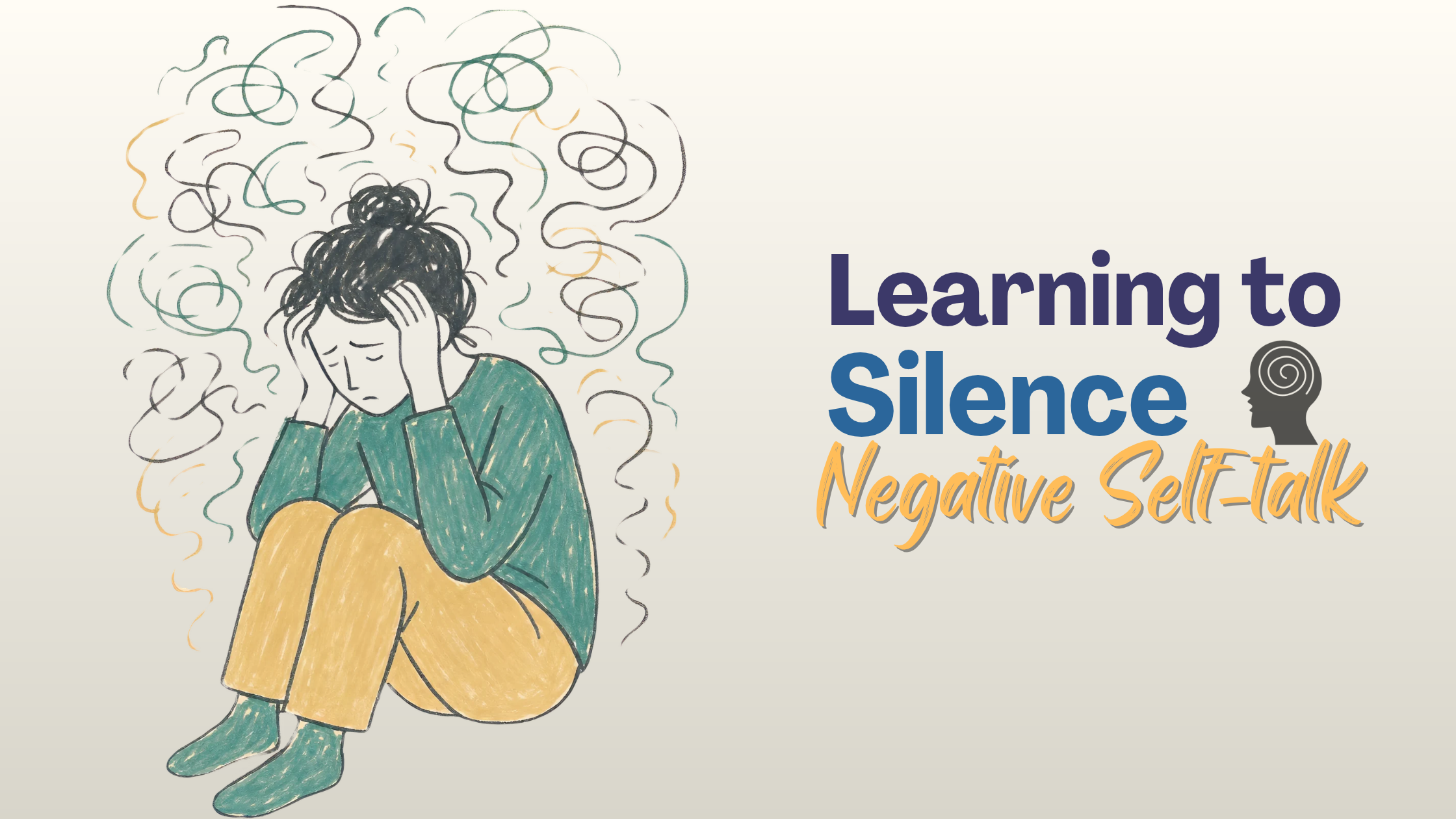
What if the person speaking most harshly to you every day is not someone else, but you? I am not good enough. I always fail. I cannot do this. Everyone is doing better than me. These thoughts can sound small, and we often dismiss them as ordinary moments of insecurity. But when repeated again and again, they can slowly become beliefs that influence how we see ourselves, our relationships, our choices, and our ability to face everyday challenges.

As a mental health psychologist, I have often seen how powerful our internal dialogue can become. You’re supposed to believe a simple but important truth: you do not have to believe every thought that enters your mind. A thought can feel convincing without being completely true, and learning to create space between a thought and our reaction to it can be an important part of emotional well-being.

When Your Inner Critic Becomes Too Loud

We all have an inner voice. Sometimes it motivates us, helps us reflect, or reminds us to be careful. But when that voice constantly judges, compares, criticizes, and questions us, it can become an inner critic. A small mistake becomes “I am a failure.” Someone else’s success becomes “I will never be good enough.” A difficult situation becomes “I cannot handle this.” The danger is not only the thought itself, but the repetition that can gradually make it feel like the truth.

Why Are We So Hard on Ourselves?

Negative self-talk can develop from many experiences, including past criticism, fear of failure, comparison, perfectionism, insecurity, or the constant need for approval. Sometimes, we believe that criticizing ourselves will make us stronger, more successful, or less likely to make mistakes. But constantly putting yourself down does not necessarily build resilience. Instead, it can leave you emotionally exhausted and make even ordinary challenges feel much heavier than they actually are.

Think about how you speak to someone you genuinely care about. If a friend made a mistake, would you tell them, “You are useless. You always fail”? Probably not. You would most likely offer perspective, reassurance, or encouragement. Yet many of us speak to ourselves in exactly those harsh ways. Learning to notice this difference can reveal just how critical our internal dialogue has become.

Change the Thought Before It Changes You

The first step is awareness. When something goes wrong, pause and listen to what you are telling yourself. Is this thought actually a fact, or is it an assumption shaped by fear, comparison, insecurity, or past experiences? Instead of saying, “I always fail,” ask, “Did I really fail at everything, or did one situation simply not go the way I wanted?” Instead of “I cannot do this,” try asking, “What is one thing I can do right now?”

This does not mean forcing yourself to think positively all the time. Mental well-being is not about pretending that everything is perfect or ignoring difficult emotions. It is about developing a balanced, realistic, and compassionate inner dialogue. When we learn to question automatic thoughts rather than immediately accepting them, we create an opportunity to respond differently and see ourselves with greater understanding.

Your Inner Voice Can Become Your Strength

Changing negative self-talk takes practice. It means noticing unhealthy patterns, challenging unrealistic thoughts, focusing on solutions instead of constantly replaying problems, and learning to treat yourself with the same patience you offer others. The goal is not to silence every difficult thought that enters your mind. The goal is to stop allowing every difficult thought to define who you are or what you believe you are capable of becoming.

Sometimes, the most meaningful transformation begins with something very simple: changing the way we speak to ourselves. So, the next time your inner critic says, “You are not good enough,” pause. Question it. Challenge it. Remind yourself that one mistake, one difficult day, or one painful chapter does not define the whole story of who you are. Your mind deserves compassion too.

If your inner critic has become louder than your confidence, you do not have to face it alone. Understanding your thoughts is the first step toward changing the way you experience yourself and the world around you. Take the first step toward a healthier relationship with yourself. Connect with Transformation and begin your journey toward better mental well-being.