

Dr. Muhammad Imran Yousuf

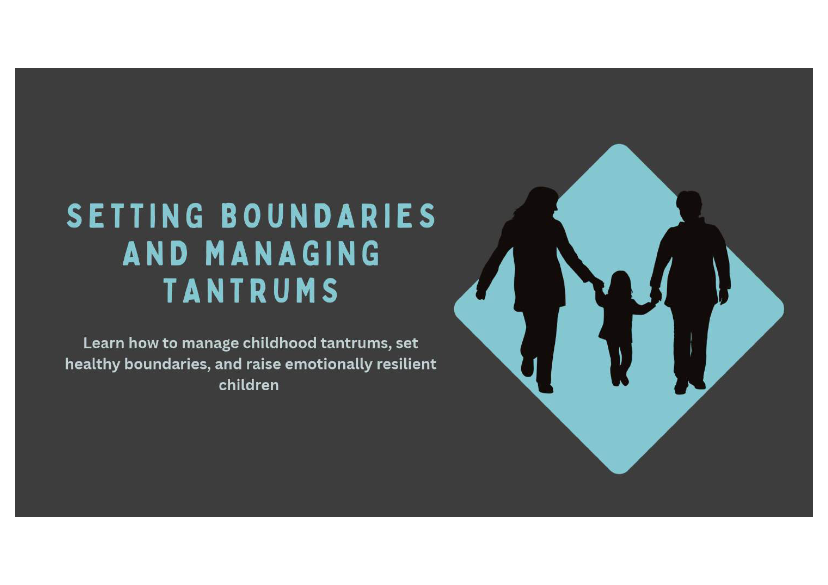
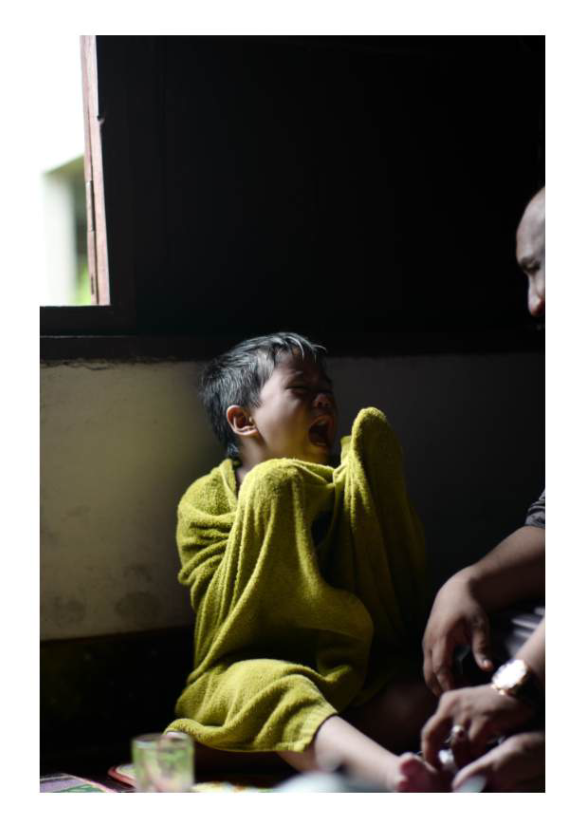
Every parent wants to see their child happy. A child cries, demands something, throws a tantrum, and the parent eventually gives in. The crying stops, the child becomes quiet, and everyone feels relieved. But what happens the next time the child wants something and hears the word “no”?

This is where parenting becomes challenging. What seems like a small moment today can gradually become a pattern if children learn that crying, shouting, or aggression will always get them what they want.

The Difference Between a Child’s Needs and Wants

One of the biggest challenges in parenting is knowing the difference between a child’s needs and wants. Children must learn that love does not mean getting everything they want. Sometimes, the most loving thing a parent can do is say no with patience, even when it brings tears or disappointment.

When Tantrums Become a Way to Get What They Want

Children learn from the responses they receive. If a child cries loudly in a market and the parent immediately buys the demanded item to avoid embarrassment, the child may begin to associate crying with getting what they want. The next time, the tantrum may become more intense. The child may shout, lie on the floor, hit the parent, or continue demanding until someone gives in. Sometimes, another family member steps in and gives the child what the parent refused. Although this may seem like an easy way to calm the situation, inconsistent responses can make boundaries confusing.

Children need to understand that a parent’s decision will not automatically change because they cry or become aggressive. Parents and caregivers should work together to maintain clear, consistent boundaries while responding calmly to the child’s distress. If a child harms themselves or others, safety must come first. Self-injurious behavior should never be dismissed as mere stubbornness. It may require professional assessment and appropriate support.

Do Not Let Public Pressure Decide Your Parenting

Many parents struggle to maintain boundaries in public. They worry that people will judge them if their child cries, shouts, or creates a scene. Some feel ashamed, wondering whether others will consider them bad parents. But parenting decisions should not be controlled by the opinions of strangers.


A child may cry when denied a phone, a toy, or another unnecessary demand. That does not automatically mean the parent is doing something wrong. Children are still learning how to handle disappointment, and these moments can become opportunities to develop emotional regulation.


Stay calm, acknowledge the child’s feelings, and maintain reasonable limits. Do not humiliate, threaten, or physically punish your child to establish authority. Firmness and kindness can exist together.

Why Boundaries Matter as Children Grow

As children grow, their demands can sometimes become more serious. In some cases, teenagers may even threaten their parents when refused expensive purchases, such as motorcycles. These situations can be frightening, particularly for families facing financial difficulties. A mother who works tirelessly to support her family may feel helpless when her child demands something she simply cannot afford.


This highlights why setting boundaries early in childhood is so important. When parents repeatedly give in to demands out of fear of tantrums, children may struggle to develop patience, accept limitations, and cope with disappointment.


However, threatening behavior should never be dismissed as ordinary stubbornness or viewed solely as a parenting failure. When a child threatens to harm themselves or others, parents must prioritize safety and seek appropriate professional support.

Final Thoughts

Parenting requires patience, courage, and consistency. Children need affection, understanding, and freedom to express their feelings. They also need boundaries that help them understand responsibility and respect.


You do not have to give your child everything they ask for to prove your love. You do not have to surrender your decision because someone in the family disagrees or because strangers are watching. The goal is not to break a child’s stubbornness. It is to help them develop the patience, emotional strength, and self-control to handle life’s disappointments.


Most importantly, remember that raising a child is not about keeping them happy every moment. It is about helping them become capable of facing the world, even when the answer is not what they hoped to hear.


Struggling with your child’s tantrums or challenging behavior? You do not have to navigate parenting alone. At Transformation, we believe every child deserves understanding, guidance, and the right support to grow. Reach out to our team for professional guidance and take the first step towards a healthier, more confident parenting journey.