Dr. Muhammad Imran Yousuf

Aggression among children is a topic that deserves our attention. As a psychologist, one question
I often want parents to consider is this: Are we pointing at our child’s behavior, or are we trying
to understand the reason behind it?

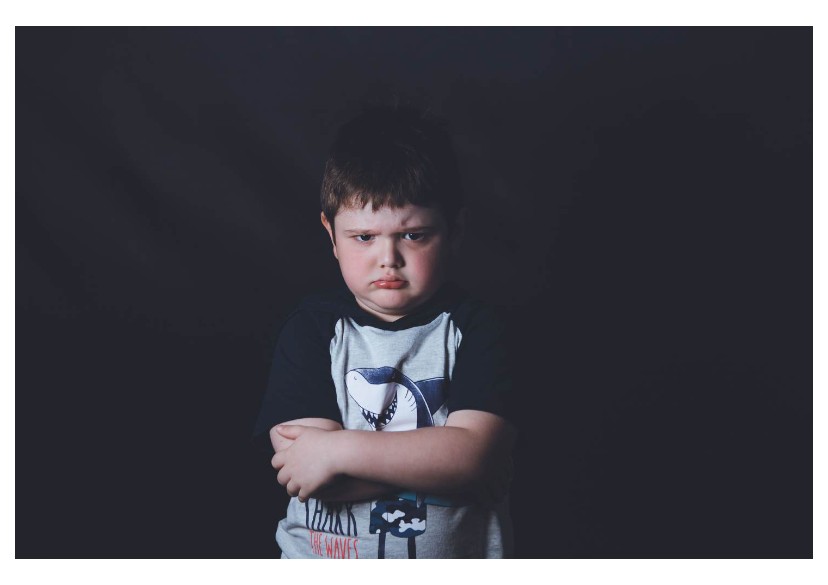
When a child becomes aggressive, restless, or unusually loud, our first reaction is often to call
them rude, stubborn, or difficult. But what if there is more happening beneath the surface? What
if the child is struggling with something we have not yet understood?

In my experience, we need to look closely at children’s daily routines, eating habits, screen
exposure, surroundings, and developmental needs.


1. Look at What Your Child Eats


The first thing I encourage parents to examine is their child’s diet. Children today are surrounded
by sugary drinks, candies, packaged snacks, processed foods, and products containing added
sugar.


Think about how frequently children consume these products. Some drinks contain substantial
amounts of sugar, and many families may not realize how much added sugar their children
consume throughout the day.

Junk food and diets dominated by starchy foods can also affect overall health and energy levels.
However, I want parents to understand that sugar alone does not explain aggression. Children’s
behavior is complex, and their nutrition is only one part of the picture. A balanced diet and
healthy eating habits are important starting points.

2. What Is Your Child Watching?


The second thing I ask parents to consider is screen exposure.

A parent may proudly tell me that their child knows how to access YouTube independently. But
I would ask: What is the child watching? How much time are they spending on the screen? Is
anyone monitoring the content?

Giving a child unrestricted access to online content is not the same as helping them develop
independence. Excessive screen time, fast-paced videos, inappropriate content, and disrupted
sleep can affect a child’s attention and emotional regulation.
Children need opportunities to play, communicate, explore, and interact with people, not just
screens.


3. Is Your Child Overwhelmed by Noise?


Consider the environment in which our children are growing up. Rickshaws, motorcycles, cars,loud conversations, and constant background noise surround them.

When the environment becomes overwhelming, some children may struggle to regulate their
emotions. They may raise their voices, become restless, or react with frustration.

Before we label such behavior as aggression, we need to ask whether the child is experiencing
overstimulation or having difficulty expressing what they feel.


4. When a Child’s Emotions Overflow


I often explain this with a simple example. Imagine filling a small bottle with too much water.
Eventually, the water overflows.

Children can experience something similar emotionally. They may have feelings, questions,
frustrations, or developmental needs they cannot explain to us. When these experiences become
overwhelming, their frustration may appear as shouting, anger, or defiance.

Children may also encounter information and experiences before they are emotionally ready to
process them. Developmental changes, including early puberty in some children, can add another
layer of complexity. We must understand each child’s individual circumstances rather than
assume that every child behaves aggressively for the same reason.


Understand Your Child Before You React


My message to parents is simple: Do not rush to label a child. First, try to understand the child.

We must learn how our children think, communicate, process information, and respond to their
surroundings. This is why I consider assessment an important step when behavioral difficulties persist. A professional assessment can help identify developmental, emotional, communication,or environmental factors that may be contributing to the behavior.


When we understand a child’s learning mechanisms and individual needs, we can communicate
more effectively and provide the right support. Sometimes, what we call bad behavior is a child
struggling to tell us something they cannot yet put into words. Our responsibility is to listen,
understand, and guide them.


If your child frequently struggles with anger, restlessness, or emotional regulation, do not ignore
the signs or assume they will simply grow out of them.

At Transformation, we believe that understanding a child’s behavior is the first step towards
meaningful change. Through professional assessment, patience, and the right support, we can
help children manage their emotions, express themselves more confidently, and develop the
skills they need to thrive.